Mirrorless cameras have become the default choice for people moving beyond phone photography. They are smaller than traditional DSLRs, show you the exposure before you press the shutter and often have excellent autofocus. Every major camera brand now focuses most of its development on mirrorless systems.
Choosing a first camera can still feel confusing. Model names change every year and spec sheets are packed with numbers. This guide explains what actually matters for beginners so you can compare current models with confidence. We do not rank specific models here, because lineups and prices change quickly. Instead, use these criteria with up-to-date reviews and spec sheets from the manufacturers.
What Makes a Camera “Mirrorless”?
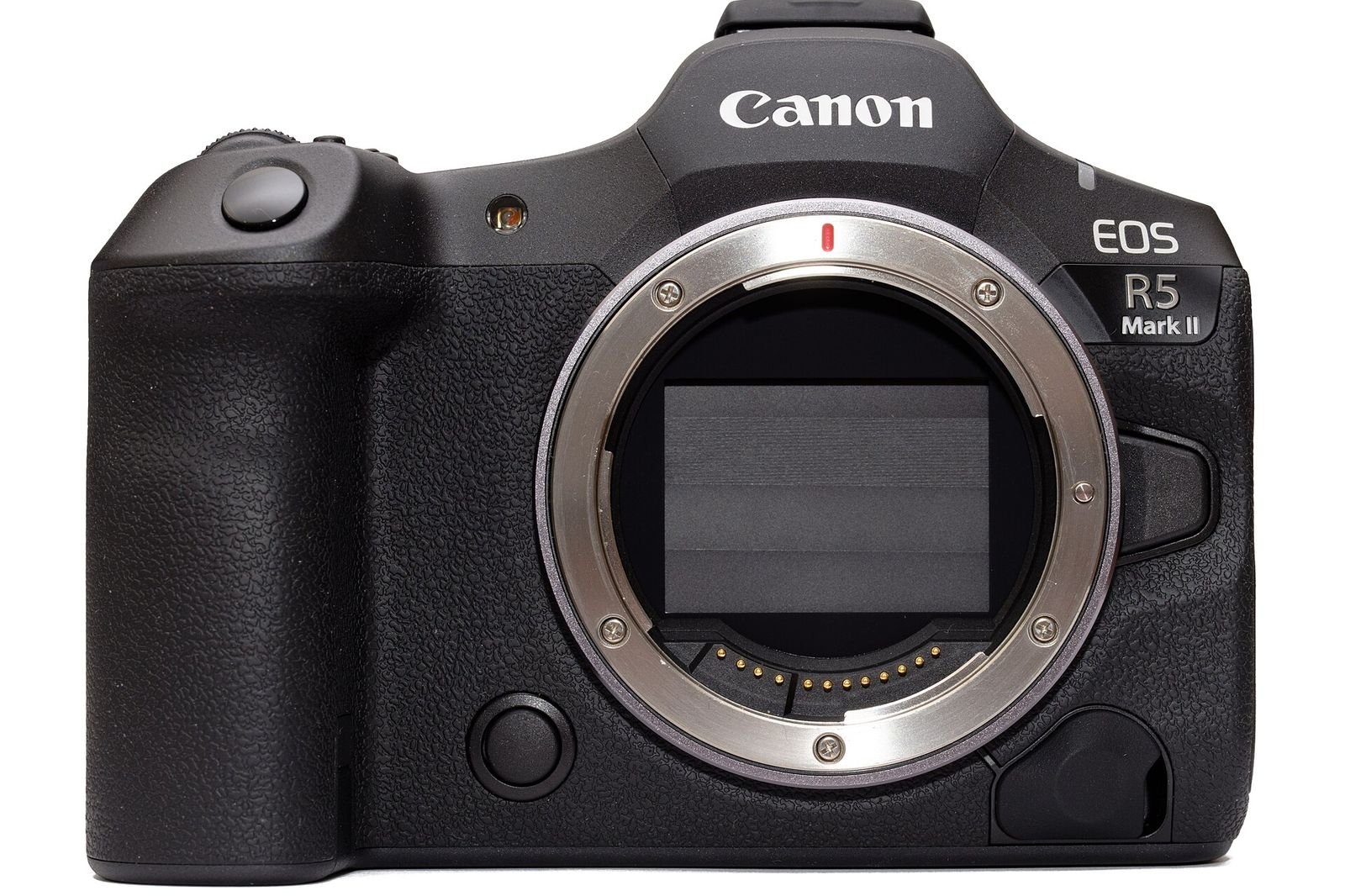
A DSLR uses a mirror to bounce light into an optical viewfinder. A mirrorless camera removes the mirror and sends light straight to the sensor, which feeds an electronic viewfinder (EVF) or the rear screen. Benefits include:
- Smaller and lighter bodies in many cases
- Exposure preview, so what you see is close to what you get
- Advanced autofocus with face and eye detection
- Strong video features
Sensor Size
Sensor size affects image quality, low-light performance, depth of field and the size and cost of lenses.
Full Frame
Roughly the size of a 35mm film frame. Full-frame cameras typically offer strong low-light performance and shallow depth of field. Bodies and lenses tend to be larger and more expensive.
APS-C
Smaller than full frame and common in beginner and enthusiast cameras. APS-C offers a good balance of image quality, size and cost. Many systems let you move to full frame later while keeping some lenses.
Micro Four Thirds
Smaller still, used by some brands. Lenses and bodies can be compact, which is helpful for travel and video.
Which Is Right for Beginners?
APS-C and Micro Four Thirds bodies are often more affordable and lighter. Full frame is appealing if low-light work or shallow depth of field is a priority and your budget allows.
The Lens System Matters More Than the Body
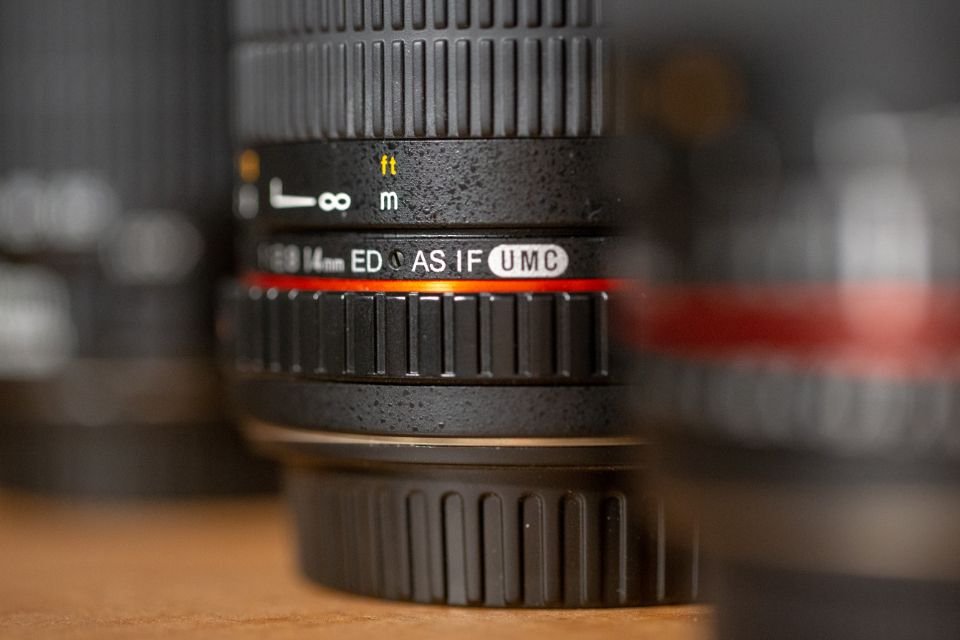
You will likely replace your camera body before you replace good lenses. Before buying, look at the lens lineup for the mount:
- Are there affordable primes and zooms for your interests?
- Are third-party lenses available?
- Is there a clear path to upgrade?
See our guides to prime vs. zoom lenses and the first lenses to buy.
Autofocus
Modern autofocus can track faces, eyes, animals and vehicles. For beginners, reliable subject detection makes it easier to get sharp photos of moving kids, pets and sports. Read reviews that test autofocus in real situations rather than relying only on the number of focus points.
Image Stabilization
In-body image stabilization (IBIS) moves the sensor to counteract shake. It helps with handheld shooting in low light and with video. Some lenses also include optical stabilization. If you shoot handheld often, stabilization is valuable.
Viewfinder and Screen
- Electronic viewfinder: Useful in bright sun and for steady shooting. Some compact bodies skip it.
- Articulating screens: Fully flip-out screens help vloggers and creative angles. Tilting screens suit stills shooters.
- Touchscreens: Make focus selection and menus easier.
Video Features
If you plan to film, look at:
- Resolution and frame rate options
- Recording time limits and overheating behavior
- Microphone and headphone jacks
- Log profiles for color grading
- Autofocus performance in video
Ergonomics and Controls
Hold cameras in a store if possible. Grip size, button placement and dials affect how enjoyable a camera is to use. Beginners benefit from cameras with clear menus and customizable buttons.
Battery Life
Mirrorless cameras use power for the EVF and screen, so battery life can be shorter than DSLRs. Plan on a spare battery. Check whether the camera can charge over USB-C.
Budget Planning
Budget for more than the body:
- A lens or two
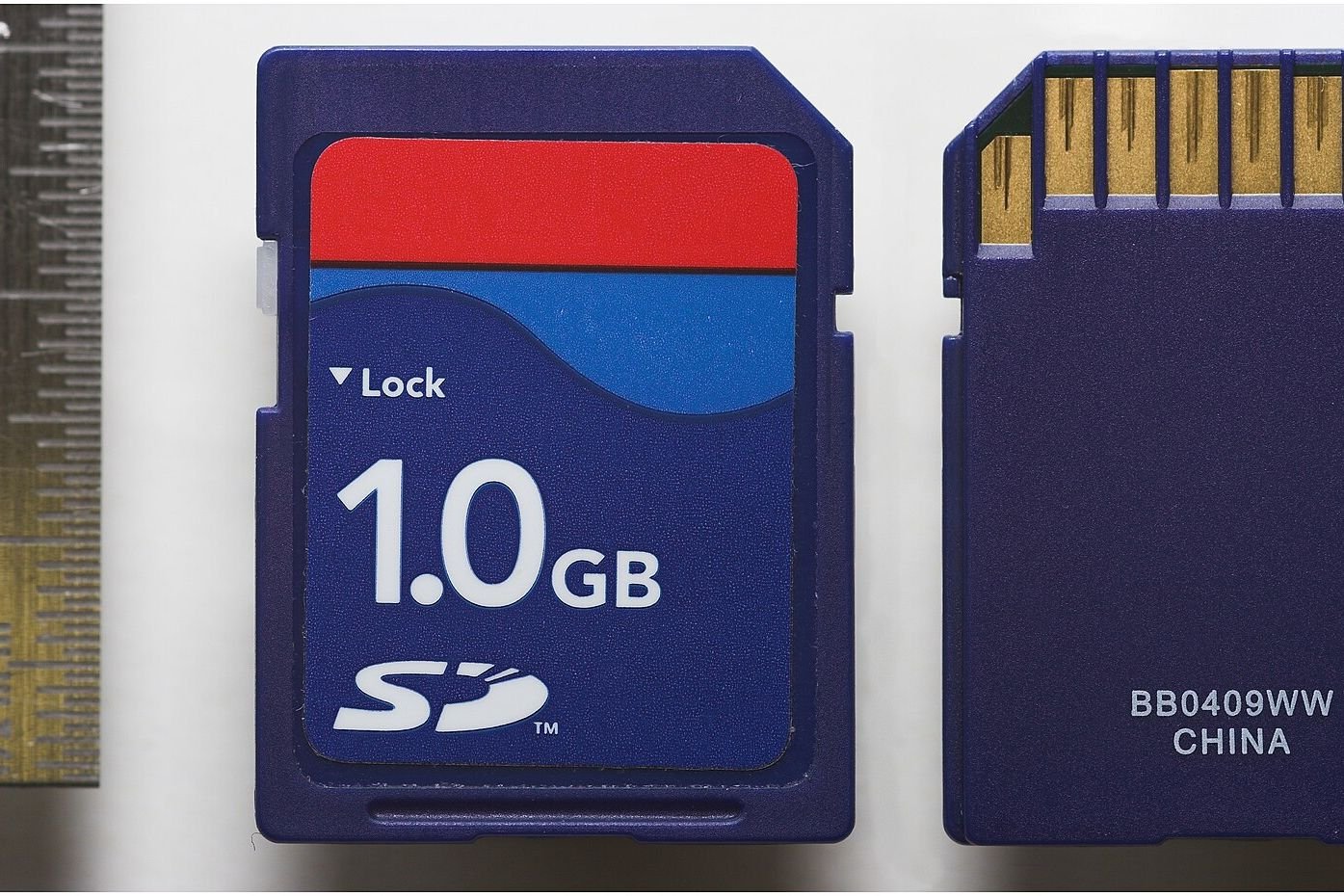
- Memory cards. See memory cards explained.
- Spare battery
- Camera bag. See our camera bag guide.
- Editing software. See our photo editing workflow.
Kit lenses bundled with bodies are a cost-effective start.
Buying Used or Refurbished
Manufacturer-refurbished and reputable used cameras can stretch your budget. Check shutter count where possible, inspect the sensor and mount, and buy from sellers with return policies.
Learning the Basics
A new camera is most rewarding when you learn exposure. See understanding aperture, shutter speed and ISO.
Questions to Ask Before You Buy
Write down honest answers to a few questions before comparing models:
- What will you photograph most? Family, travel, sports, landscapes, video or a mix?
- How much weight will you carry? A camera left at home takes no photos.
- Do you wear glasses or shoot in bright sun? A good viewfinder may matter more than you expect.
- Will you edit photos? If so, RAW support and a comfortable workflow on your computer matter.
- What is your total budget, including lenses and accessories?
Your answers narrow the field quickly. A parent photographing indoor sports needs strong autofocus and good high-ISO performance, while a hiker may prioritize weight and weather sealing.
Weather Sealing
Some bodies and lenses have seals against dust and moisture. Weather sealing varies by brand and is not the same as waterproofing. If you shoot outdoors in variable weather, it is worth considering, but still protect your camera from heavy rain.
Your First Week With a New Camera
Spend the first week learning rather than chasing perfect shots. Read the quick-start guide, set the date and time, choose RAW or RAW plus JPEG and customize one or two buttons for settings you change often. Shoot around your home and neighborhood in different light, then review results on a computer to see what worked.
Frequently Asked Questions
Is mirrorless better than DSLR for beginners?
Mirrorless cameras offer exposure preview and modern autofocus, and most new development is mirrorless.
Do I need full frame?
No. APS-C and Micro Four Thirds produce excellent images for most people.
Are kit lenses good enough?
They are a good start. Many people add a prime lens later.
How many megapixels do I need?
Most modern cameras have plenty for prints and social media.
Should I buy used?
Used gear from reputable sellers with returns can be a good value.
The Bottom Line
Choose a beginner mirrorless camera by sensor size, lens system, autofocus, stabilization and how it feels in your hands. Budget for lenses, cards and batteries, compare current reviews and spec sheets, and invest time in learning exposure basics.
Editorial note: Shutter Roost is independent and reader-supported. This guide is based on research into manufacturer documentation, published specifications and widely accepted best practices; we have not been paid to mention any product. If we add affiliate links in the future, they will be clearly disclosed per our Affiliate Disclosure.
Photo: Canon EOS R5 Mark II (front, no body cap) by D. Benjamin Miller, CC0 1.0