A good camera bag protects your gear, keeps it organized and makes it easy to grab your camera when a moment appears. The right bag depends on how much gear you carry, where you go and how you like to shoot.
Types of Camera Bags
Backpacks
Pros: Distribute weight across both shoulders, hold more gear and often include laptop sleeves and tripod straps.
Cons: Slower to access gear unless they have side or rear access.
Best for hiking, travel and carrying multiple lenses.
Sling Bags
Pros: Quick access by swinging the bag around to the front. Compact.
Cons: Weight rests on one shoulder.
Best for city walks and light kits.
Messenger and Shoulder Bags
Pros: Quick top access and a discreet look.
Cons: One-shoulder carry can become uncomfortable with heavy gear.
Best for street photography and events.
Rolling Cases
Pros: Carry heavy kits without lifting.
Cons: Not suitable for rough terrain.
Best for professional shoots and travel through airports.
Hard Cases
Pros: Maximum protection and often waterproof.
Cons: Bulky and heavy.
Best for shipping, boats and harsh environments.
Camera Inserts
Inserts turn regular backpacks or bags into camera bags. Good for travelers who want a non-camera-looking bag.
Choosing Capacity
List the gear you carry most often:
- Camera body
- Lenses
- Flash
- Drone. See DJI Mini drones compared.
- Batteries and chargers
- Memory cards. See memory cards explained.
- Laptop or tablet
- Tripod. See how to choose a travel tripod.
- Personal items like jackets and water
Choose a bag that fits your typical kit with a little room for growth.
Access
- Side access lets you grab the camera without removing a backpack
- Rear access protects gear from theft and keeps straps clean
- Top access is quick for slings and messengers
Comfort
- Padded straps
- Hip belts for heavy loads
- Sternum straps
- Ventilated back panels
Weather Protection
Look for water-resistant materials, zippers and included rain covers.
Dividers and Organization
Adjustable padded dividers let you customize compartments. Pockets for cards, batteries and cables keep small items organized.
Security
Lockable zippers, hidden pockets and rear-access designs can reduce theft risk.
Travel Considerations
Airlines have carry-on size limits. Camera gear should usually stay with you in carry-on luggage, and lithium batteries generally must be carried in the cabin. Check airline rules.
Discreet vs. Recognizable
Some photographers prefer bags that do not look like camera bags.
Bags for Specific Situations
Hiking and Outdoor Photography
Look for backpacks with hip belts, hydration compatibility, tripod carry and room for layers and food. Bags that open from the back panel let you set the bag down without getting the straps muddy.
City and Street Photography
A small sling or shoulder bag with quick top access keeps your camera ready while staying discreet. Choose muted colors and avoid prominent brand logos if you want to blend in.
Events and Weddings
Event photographers often use rolling cases for storage and a belt system or small shoulder bag during the event, keeping lenses and batteries within reach.
Drone Pilots
Some bags include dedicated drone compartments or adjustable dividers that fit a drone, controller and batteries. See drone rules for beginners.
Trying a Bag Before Committing
If possible, load a bag with your actual gear in a store or at home within the return window. Check whether the camera with lens attached fits in the main compartment, whether you can reach it quickly and whether the bag sits comfortably after a long walk.
Caring for Your Bag
Empty the bag regularly, shake out sand and dust and wipe it clean. Check zippers and straps for wear. Dry the bag thoroughly after rain before storing gear inside to prevent moisture problems.
Budget Considerations
Expensive bags often offer better materials, zippers and comfort, but many affordable bags work well for beginners. Start with a bag that fits your current kit and upgrade once you know how you like to carry gear. Many photographers end up owning two bags: a small one for daily use and a larger one for travel or big shoots.
Organizing Inside the Bag
Arrange dividers so the camera with lens attached sits in the most accessible spot. Place lenses you change often next to it and items you rarely need, such as chargers, deeper in the bag. Small pouches for cables, cards and cleaning supplies prevent clutter.
Keeping Gear Dry
Silica gel packets help absorb moisture inside camera bags. Replace or recharge them periodically. After shooting in cold weather, keep the camera inside the closed bag as it warms indoors, which reduces condensation forming on the camera and lenses.
Insurance and Theft
Camera gear is valuable. Keep a list of serial numbers and photos of your equipment. Some photographers carry specialized insurance. Never leave a camera bag visible in a parked car.
Matching the Bag to Your Body
Torso length, shoulder width and the way you walk all affect comfort. Some backpacks come in multiple sizes or have adjustable harnesses. If a bag feels uncomfortable in the first few minutes, it will feel worse after hours of carrying. Adjust straps so the weight rides close to your back and the hip belt, if present, carries much of the load.
Bags for Kids and Family Outings
On family trips, a bag that holds a camera plus snacks, water and a jacket can be more practical than a dedicated camera bag. Inserts make it easy to turn an everyday backpack into a camera carrier for those days.
Rain Covers
Many bags include a built-in rain cover. If yours does not, a universal cover is inexpensive insurance for sudden showers.
Frequently Asked Questions
What type of camera bag is best for travel?
Backpacks are popular for capacity and comfort.
Are sling bags good for heavy gear?
They are best for light kits.
Can I use a regular backpack?
Yes, with a camera insert.
Should camera gear be checked on flights?
Generally, keep cameras and batteries in carry-on. Check airline rules.
What features protect gear from rain?
Water-resistant materials and rain covers.
The Bottom Line
Choose a camera bag by gear capacity, access style, comfort and protection. Backpacks suit travel and hiking, slings suit light kits and quick access, and inserts work for discreet travel.
Editorial note: Shutter Roost is independent and reader-supported. This guide is based on research into manufacturer documentation, published specifications and widely accepted best practices; we have not been paid to mention any product. If we add affiliate links in the future, they will be clearly disclosed per our Affiliate Disclosure.
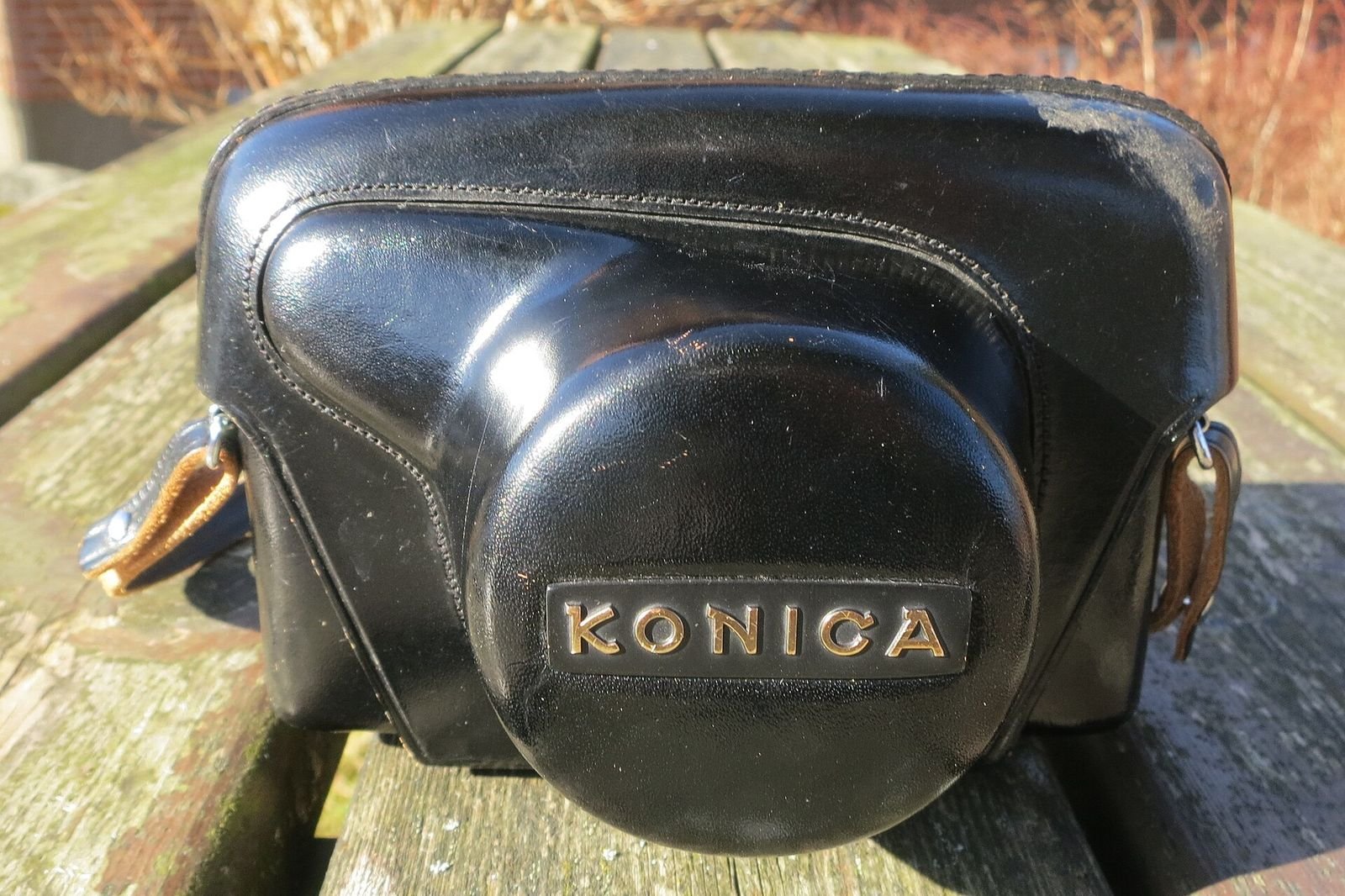
Photo: 1963 bag for Konica Auto S camera made in Japan by R. Henrik Nilsson, CC BY 4.0