Buying a drone is easy. Flying it legally requires knowing a few rules. In the United States, the Federal Aviation Administration (FAA) regulates drones, and state and local governments may add rules about where you can take off and land.
This guide gives a general overview for beginners. Rules change, so always confirm current requirements on the FAA’s official website and with local authorities before flying. This is not legal advice.
Recreational vs. Commercial Flying
The FAA distinguishes between:
- Recreational flying: Flying purely for fun
- Commercial or non-recreational flying: Flying for work or business, including selling photos, real estate listings or promotional content
Commercial flying generally requires a Remote Pilot Certificate under Part 107. See real estate photography tips.
Rules for Recreational Flyers
Pass the TRUST Test
All recreational flyers must pass The Recreational UAS Safety Test (TRUST), which is free and online through FAA-approved providers. Carry proof of completion.
Register If Required
Recreational drones over 250 grams must be registered with the FAA and marked with the registration number. Drones under 250 grams flown recreationally generally do not require registration. Accessories and heavier batteries can change weight. See DJI Mini drones compared.
Remote ID
Remote ID broadcasts identification and location information. Drones that require registration generally must comply with Remote ID through built-in broadcasting, an add-on module or flying in approved areas. Check the FAA for current rules.
Altitude
Recreational flyers generally must fly at or below 400 feet above ground level in uncontrolled airspace.
Visual Line of Sight
Keep the drone within your visual line of sight or that of a visual observer next to you.
Airspace
Controlled airspace near airports requires authorization. Many recreational flyers obtain authorization through LAANC (Low Altitude Authorization and Notification Capability) using FAA-approved apps.
Do Not Interfere With Manned Aircraft
Give way to manned aircraft.
Follow Community-Based Safety Guidelines
Recreational flyers must follow the safety guidelines of an FAA-recognized community-based organization.
Rules for Commercial Flyers (Part 107)
- Pass the FAA aeronautical knowledge test
- Obtain a Remote Pilot Certificate
- Register the drone
- Comply with Remote ID
- Follow operating rules on altitude, airspace and operations over people
Waivers are available for certain operations.
Restricted Areas
Common restricted areas include:
- Airports without authorization
- Stadiums during events
- Temporary flight restrictions around emergencies, VIP movements and events
- Military bases and certain critical infrastructure
- National parks, where launching and landing drones is generally prohibited
State and local parks may have their own rules. Check FAA apps, local rules and land managers.
Privacy and Courtesy
- Avoid flying over people
- Respect privacy and avoid photographing people without permission
- Avoid disturbing wildlife
- Follow state laws on privacy and trespass
Safety Checklist
- Check weather and wind
- Charge batteries
- Check propellers for damage
- Update firmware and apps
- Check airspace
- Calibrate compass if prompted
- Plan a safe takeoff and landing area
Flying Abroad
Other countries have different drone rules. Research local regulations before traveling.
Insurance
Some flyers carry drone insurance, especially for commercial work. Some homeowner policies may not cover drones.
Getting Your TRUST Certificate
The TRUST test is a short online course and quiz offered through FAA-approved test administrators. It covers basic safety and regulations. When you pass, you receive a certificate. Save a copy on your phone and print one for your drone case, since you may be asked to show it.
Using Airspace Apps
FAA-approved apps show airspace classes, temporary flight restrictions and areas where LAANC authorization is available. Before each flight, check the app at your exact location. Restrictions can change on short notice, especially around events, wildfires and emergencies.
Weather and Drone Safety
Wind is the most common weather challenge for small drones. Strong gusts can push a lightweight drone off course and drain batteries faster. Cold temperatures reduce battery performance, while rain and fog can damage electronics and reduce visibility. Avoid flying in poor conditions and keep extra battery margin when it is cold or windy.
Battery Safety
Lithium polymer batteries require care. Charge them with the manufacturer’s charger, avoid charging unattended, store them at recommended storage charge levels and do not use swollen or damaged batteries. When traveling by air, carry drone batteries in carry-on luggage according to airline rules.
Keeping a Flight Log
Many drone apps automatically log flights. Reviewing logs helps you track battery health and remember where you flew. For commercial pilots, logs can also be useful for documentation.
Respecting Wildlife
Drones can stress wildlife, especially nesting birds and marine mammals. Many wildlife areas restrict drones, and some federal and state laws protect animals from harassment. Keep a respectful distance, avoid flying over herds or nests and leave immediately if animals react to the drone.
Flying Near Water
Flying over water carries risk, since a crash usually means losing the drone. Downward sensors can be confused by reflective water surfaces. Keep altitude, avoid low passes over water and make sure you have plenty of battery to return.
Joining a Community
Local drone clubs and FAA-recognized community-based organizations offer safety guidance, flying fields and experienced pilots who can answer questions. Joining one is a good way to learn faster and stay current as rules evolve.
Before You Fly Checklist Card
Write a short checklist on a card in your drone case: certificate, registration if required, airspace check, weather, batteries, propellers and a safe landing spot. Running through it each time builds safe habits.
Frequently Asked Questions
Do I need a license to fly a drone for fun?
Recreational flyers must pass TRUST. Part 107 is required for commercial use.
Do I need to register my drone?
Recreational drones over 250 grams must be registered.
How high can I fly?
Generally 400 feet above ground level for recreational flyers in uncontrolled airspace.
Can I fly in national parks?
Launching and landing are generally prohibited in national parks.
What is LAANC?
A system for authorization to fly in controlled airspace.
The Bottom Line
Before flying, pass TRUST, register if required, comply with Remote ID, check airspace and follow altitude and line-of-sight rules. Commercial flying requires Part 107 certification. Confirm current FAA guidance and local rules before every flight.
Editorial note: Shutter Roost is independent and reader-supported. This guide is based on research into manufacturer documentation, published specifications and widely accepted best practices; we have not been paid to mention any product. If we add affiliate links in the future, they will be clearly disclosed per our Affiliate Disclosure.
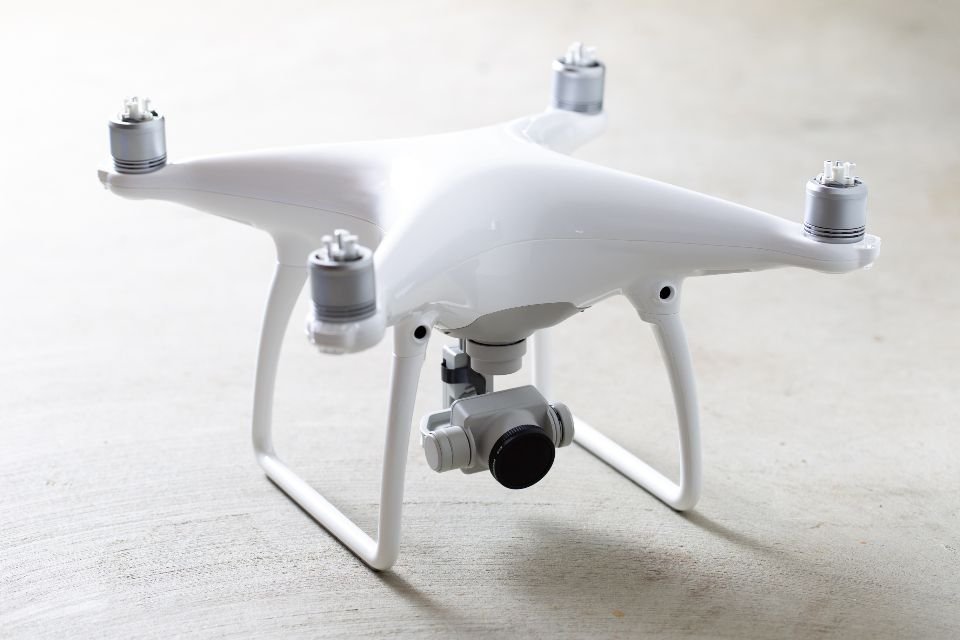
Photo: Drone Background by One Idea LLC, CC0 1.0