A tripod opens up photography you cannot do handheld: sharp low-light landscapes, long exposures of waterfalls, night skies, group photos with you in them and consistent real estate shots. But full-size tripods are heavy and awkward to carry. Travel tripods aim for a compromise between portability and stability.
This guide explains how to choose a travel tripod and what tradeoffs to expect.
Why Use a Tripod?
- Low light without raising ISO too high
- Long exposures for silky water, light trails and night skies
- Bracketing and panoramas with consistent framing
- Self-portraits and group photos
- Video with steady framing
See understanding aperture, shutter speed and ISO.
Materials
Aluminum
Pros: Affordable and durable.
Cons: Heavier and colder to touch in winter. Transmits vibration more.
Carbon Fiber
Pros: Lighter and dampens vibration better.
Cons: More expensive.
If you hike or travel often, carbon fiber’s weight savings can be worth it.
Key Specifications
Folded Length
Shorter folded lengths fit in carry-on bags and backpacks. Many travel tripods fold legs up around the head to save space.
Maximum Height
Consider height with and without the center column extended. Extending the center column reduces stability. A tripod that reaches near eye level without the column is more comfortable but heavier.
Weight
Lighter tripods are easier to carry but may be less stable in wind. Balance weight against your typical camera and lens.
Load Capacity
Manufacturers list maximum load. Choose a tripod rated comfortably above your heaviest camera and lens combination. Ratings vary in how they are measured, so treat them as guides.
Leg Sections
More leg sections fold smaller but add setup time and potential flex. Four or five sections are common for travel tripods.
Leg Locks
Twist Locks
Compact and less likely to snag. Some people find them faster.
Flip Locks
Easy to see if locked and quick to operate. May snag on bags.
Choose what feels comfortable.
Tripod Heads
Ball Heads
The most common head on travel tripods. Compact and quick to adjust. Look for separate panning and friction controls.
Pan-Tilt and Fluid Heads
Better for video and precise adjustments, though usually bulkier.
Quick Release Plates
Plates attach to your camera and clip into the head. Arca-Swiss compatible plates are widely used and compatible with many accessories.
Stability Features
- Hook under the center column for hanging a bag to add weight
- Spiked or rubber feet for different surfaces
- Leg angle settings for low shooting and uneven ground
Tabletop and Mini Tripods
Small tripods fit in bags and work for vlogging, phones and lightweight cameras. They have limited height but are useful on tables, walls and rocks.
Phone Compatibility
Many travel tripods include phone mounts or accept clamps.
Traveling With a Tripod
- Carry-on rules: Policies vary by airline and security screening. Some travelers check tripods to avoid issues.
- Bags: Many camera backpacks include tripod straps. See our camera bag guide.
- Local rules: Some sites and museums restrict tripods. Check in advance.
Using a Tripod Well
- Extend thicker leg sections first
- Avoid extending the center column when possible
- Use a timer or remote
- Turn off stabilization if your camera recommends doing so on a tripod
- Weigh down the tripod in wind
Care and Maintenance
Clean legs after sand or salt water exposure. Some tripods can be disassembled for cleaning. Check screws and locks periodically.
Tripod Alternatives
Sometimes a full tripod is impractical. Alternatives include:
- Monopods, which add stability for long lenses and video while staying mobile
- Clamps that attach to railings or tables
- Bean bags that rest on walls, rocks or car windows
- Flexible-leg mini tripods that wrap around posts and branches
These options do not fully replace a tripod for long exposures, but they can make a big difference compared with handheld shooting.
Matching a Tripod to Your Camera
A lightweight mirrorless camera with a small lens puts little strain on a travel tripod. A larger body with a telephoto lens may need a sturdier tripod and a lens collar that mounts the lens rather than the body, keeping the setup balanced. Check that your quick-release plate does not block the battery door or screen hinge.
Setting Up Quickly
Practice setting up and folding your tripod at home. Learn which legs to extend first, how to level the head and how to attach the camera securely. On the trail or in a busy city, smooth setup means you capture the moment instead of fumbling with locks.
Night and Astrophotography
For star photos, a stable tripod is essential, since exposures can last many seconds. Choose a dark location, use a wide lens with a wide aperture and set focus manually on a bright star using magnified live view. Weigh down the tripod and use a timer or remote to avoid vibration.
Choosing Feet for the Terrain
Rubber feet grip smooth indoor floors and pavement. Metal spikes dig into soil, sand and ice. Some tripods include interchangeable feet. If you photograph near water, look for legs that seal against water and sand, and rinse them after exposure to salt water.
Budget Expectations
Inexpensive tripods can be adequate for light cameras and occasional use, but they may flex in wind or wear quickly. Mid-range travel tripods often offer the best balance. Read long-term reviews that discuss durability of leg locks and heads, since these parts take the most wear.
When Not to Bring a Tripod
For quick city sightseeing, crowded markets or places that prohibit tripods, leave it behind and rely on stabilization, a faster lens and higher ISO. Knowing when a tripod helps and when it slows you down is part of traveling light.
Frequently Asked Questions
Is carbon fiber worth it?
If you carry a tripod often, the weight savings can be worth it.
What head is best for travel?
Ball heads are compact and popular.
Can I bring a tripod as carry-on?
Policies vary. Check your airline and security rules.
Does extending the center column reduce stability?
Yes. Extend legs first.
Do I need a tripod with a mirrorless camera?
Tripods remain useful for long exposures, low light and consistent framing.
The Bottom Line
Choose a travel tripod by material, folded length, height, weight and load capacity, paired with a compact ball head and Arca-Swiss plate. Extend legs before the center column, add weight in wind and check rules before traveling.
Editorial note: Shutter Roost is independent and reader-supported. This guide is based on research into manufacturer documentation, published specifications and widely accepted best practices; we have not been paid to mention any product. If we add affiliate links in the future, they will be clearly disclosed per our Affiliate Disclosure.
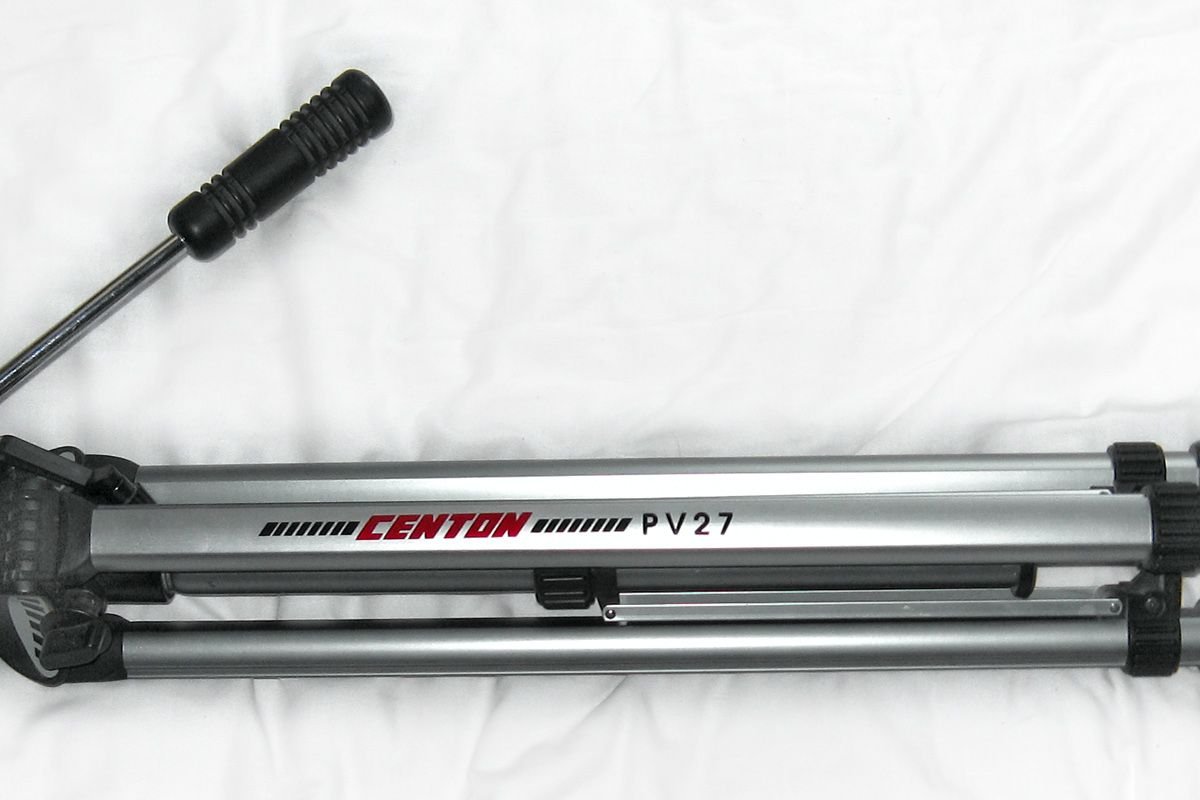
Photo: Centon PV27 tripod from Jessops by Ubcule, CC BY 4.0