Most beginner cameras come with a standard zoom kit lens. It is a versatile tool, but at some point you may notice its limits: blurry low-light photos, not enough background blur or not enough reach for wildlife and sports. The next lens you buy should solve a specific problem you have run into.
This guide covers common first-lens upgrades and how to decide among them. Focal lengths below refer to full-frame equivalents; on APS-C and Micro Four Thirds cameras, look for lenses that give similar fields of view.
Start With a Question: What Frustrates You?
Before buying, review your photos and identify what is holding you back:
- Low light and background blur? Consider a fast prime.
- Subjects too far away? Consider a telephoto zoom.
- Can’t fit everything in? Consider a wide-angle lens.
- Want close-up details? Consider a macro lens.
- Want better all-around quality? Consider an upgraded standard zoom.
A Fast Standard Prime
A 35mm or 50mm equivalent prime with a wide aperture, such as f/1.8, is a classic first upgrade.
Why: Lets in much more light than most kit lenses, creates background blur and is often compact and affordable.
Good for: Portraits, indoor photos, low light, food, everyday photography.
See prime vs. zoom lenses and understanding aperture, shutter speed and ISO.
A Telephoto Zoom
A telephoto zoom, often in the 70-300mm equivalent range for beginner systems, brings distant subjects closer.
Why: Reach for wildlife, sports and kids’ events. Telephoto compression also flatters portraits and landscapes.
Good for: Wildlife, sports, events, travel details.
Tip: Many kits offer a “double zoom” bundle. If you know you want telephoto, bundles can save money.
A Portrait Prime
An 85mm equivalent prime is popular for portraits, with flattering compression and strong background separation.
A Wide-Angle Zoom
A wide-angle zoom captures expansive landscapes, architecture and interiors.
Good for: Landscapes, real estate, travel, astrophotography. See real estate photography tips.
Tip: Wide lenses can distort edges. Keep the camera level for architecture.
A Macro Lens
Macro lenses focus very close for life-size reproduction of small subjects.
Good for: Flowers, insects, product photography and details. Many macro lenses also make excellent portrait lenses.
An Upgraded Standard Zoom
A higher-quality standard zoom with a constant aperture improves sharpness and low-light performance across focal lengths.
Good for: Events, travel and general photography if you prefer zooms.
Tradeoff: Larger, heavier and more expensive.
Crop Factor
APS-C and Micro Four Thirds sensors have crop factors that narrow the field of view. For example, a 35mm lens on APS-C gives a field of view similar to about 50mm on full frame, depending on the system. Use equivalent focal lengths when comparing.
Budget Tips
- Primes like 50mm f/1.8 are often affordable
- Used lenses from reputable sellers can save money; check for scratches, haze and fungus
- Third-party lenses can offer value
- Rent before buying expensive lenses
Lens Compatibility
Lenses are designed for specific mounts. Adapters exist, but autofocus performance may vary. Check full-frame versus crop lenses for your camera.
Lens Care
- Use lens caps and hoods
- Clean with a blower and microfiber cloth
- Store in a dry place to prevent fungus
- Carry lenses in a padded bag. See our camera bag guide.
Building a Kit Over Time
A practical progression might be:
- Kit zoom
- Fast standard prime
- Telephoto zoom or wide-angle, depending on interests
- Specialty lenses
Lens Hoods and Filters
Many lenses come with hoods that block stray light and reduce flare. Hoods also protect the front element from bumps. Some photographers add clear protective filters, while others prefer not to add extra glass. If you use filters, choose good-quality ones to avoid reducing image quality.
Polarizing filters are useful for landscapes, reducing reflections on water and deepening blue skies. ND filters help with long exposures. Check the filter thread size printed on your lens.
Autofocus Motors
Lens autofocus motors vary. Newer lenses often have quiet, fast motors well suited to video and tracking subjects. Older or budget lenses may be louder or slower. If you shoot video or fast action, read reviews that test focus speed and noise.
Testing a New Lens
When you receive a lens, test it promptly within the return window. Photograph a detailed scene at several apertures and focal lengths, check corners and center for sharpness and confirm autofocus works reliably. Check for dust, scratches and unusual noises.
Selling Lenses You Do Not Use
If a lens sits unused, consider selling it to fund one you will use. Keep boxes, caps and receipts, which help resale. Clean the lens and photograph it clearly for listings. Selling through reputable marketplaces or trade-in programs reduces risk.
Avoiding Gear Acquisition Syndrome
It is easy to believe a new lens will transform your photography. Often, practicing with what you own brings bigger improvements. Before buying, try to describe a specific photo you could not take with your current gear. If you cannot, consider waiting.
Thinking About Your Future System
If you might move to a larger sensor later, consider lenses compatible with both formats within your brand’s mount. Lenses designed for full frame often work on crop bodies in the same system, which can make a future upgrade smoother. Plan purchases with that path in mind.
Lens Rental for Special Trips
For a safari, wedding or once-a-year event, renting a long telephoto or premium lens often makes more sense than buying. Order early so you have time to practice.
Frequently Asked Questions
What is the best first lens to buy?
A fast 35mm or 50mm equivalent prime is a popular choice.
Should I buy a telephoto lens?
If you photograph wildlife, sports or distant subjects.
Do I need a macro lens?
Only if close-up photography interests you.
Are used lenses safe to buy?
From reputable sellers with returns, yes. Inspect carefully.
Will full-frame lenses work on my crop camera?
Often, within the same mount system. Check compatibility.
The Bottom Line
Your first lens after the kit lens should solve a specific frustration. A fast standard prime is a popular, affordable choice; a telephoto zoom adds reach; and a wide-angle opens up landscapes and interiors. Rent, buy used carefully and build your kit over time.
Editorial note: Shutter Roost is independent and reader-supported. This guide is based on research into manufacturer documentation, published specifications and widely accepted best practices; we have not been paid to mention any product. If we add affiliate links in the future, they will be clearly disclosed per our Affiliate Disclosure.
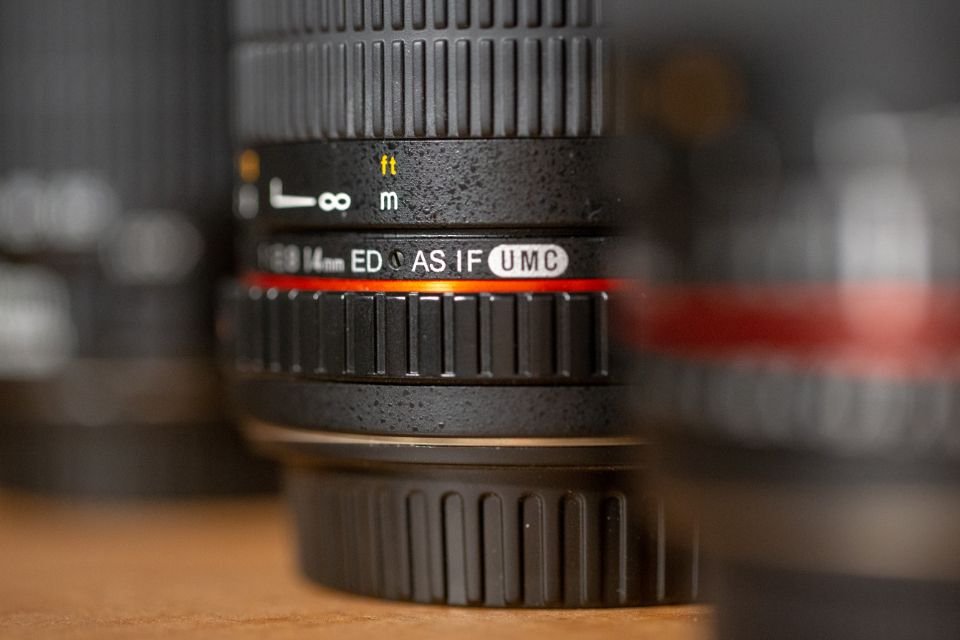
Photo: Camera Lenses by One Idea LLC, CC0 1.0